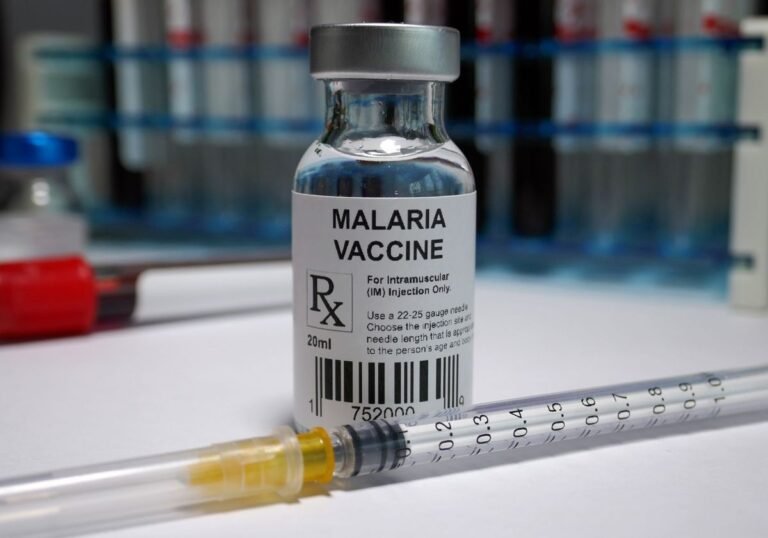
Vaccines have evolved significantly over the past century. Earlier classifications grouped vaccines into three broad categories: live attenuated, killed (inactivated), and toxoid vaccines. While this system is still valid, modern immunology and biotechnology have introduced several new vaccine platforms.
Today, vaccine classification is based not only on whether the organism is live or killed, but also on the underlying technology used to generate the immune response.
In this article, we will explore the types of vaccines currently available worldwide, including both classical and modern platforms.
1. Live Attenuated Vaccines
Live attenuated vaccines contain weakened forms of the pathogen. These organisms can replicate in the host but do not cause disease in immunocompetent individuals.
Because they mimic natural infection, they usually produce strong and long-lasting immunity with fewer doses.
Examples:
- BCG vaccine
- MMR vaccine
- Oral Polio Vaccine
- Yellow fever vaccine
- Varicella vaccine
- Live attenuated influenza vaccine (intranasal)
2. Inactivated (Killed) Vaccines
Inactivated vaccines contain pathogens that have been killed by chemical agents such as formaldehyde or by heat. They cannot replicate.
These vaccines are generally safer for immunocompromised individuals but may require booster doses.
Examples:
- Inactivated Polio Vaccine
- Rabies vaccine
- Hepatitis A vaccine
- Inactivated influenza vaccines
- Inactivated Japanese Encephalitis vaccines
3. Toxoid Vaccines
Some diseases are caused by toxins rather than the bacteria themselves. Toxoid vaccines contain inactivated toxins (toxoids) that stimulate protective immunity.
Examples:
- Tetanus toxoid vaccine
- Diphtheria toxoid vaccine
These are commonly included in combination vaccines.
4. Subunit Vaccines (Protein-Based Vaccines)
Subunit vaccines contain purified antigenic components of the pathogen rather than the whole organism.
These may be recombinant proteins, virus-like particles (VLPs), or acellular fractions.
Examples:
- Hepatitis B vaccine
- HPV vaccine
- Acellular pertussis component of DTaP
- Novavax COVID-19 vaccine
5. Conjugate Vaccines
Polysaccharide antigens alone produce weak immune responses in infants. Conjugate vaccines solve this by linking polysaccharides to protein carriers.
This enhances T-cell dependent immunity and immunological memory.
Examples:
- Pneumococcal conjugate vaccine
- Haemophilus influenzae type b vaccine
- Meningococcal conjugate vaccines
Conjugate vaccines revolutionized pediatric immunization programs worldwide.
6. Viral Vector Vaccines
Viral vector vaccines use a harmless virus to deliver genetic material encoding a target antigen.
The vector enters host cells and produces the antigen internally, triggering an immune response.
Examples:
- Oxford-AstraZeneca COVID-19 vaccine
- Sputnik V COVID-19 vaccine
7. mRNA Vaccines
mRNA vaccines represent one of the most significant breakthroughs in vaccinology.
They contain messenger RNA encoding a specific antigen. After administration, host cells translate the mRNA into protein, which stimulates immune response.
Examples:
- Pfizer-BioNTech COVID-19 vaccine
- Moderna COVID-19 vaccine
8. DNA Vaccines
DNA vaccines use plasmid DNA encoding antigenic proteins.
While widely used in veterinary medicine, limited human approvals exist. Research continues in infectious diseases and oncology.
9. Therapeutic and Personalized Vaccines
Unlike traditional prophylactic vaccines, therapeutic vaccines are designed to treat existing diseases.
Examples include:
- Cancer vaccines targeting tumor-specific antigens
- Personalized neoantigen vaccines
- Investigational vaccines for autoimmune conditions
This represents the future direction of precision immunology.
How Vaccine Classification Has Evolved
Earlier classification focused only on:
- Live attenuated
- Killed
- Toxoid
Modern classification now includes:
- Subunit
- Conjugate
- Viral vector
- mRNA
- DNA
- Therapeutic platforms
The shift reflects advances in molecular biology, recombinant technology, and nanotechnology.