Finished product sampling in pharmaceutical manufacturing plays a critical role in ensuring that every batch released into the market meets predefined quality standards. Sampling not only supports testing but also influences the reliability of results. If sampling goes wrong, even the most advanced analytical testing cannot correct that error. That is why pharmaceutical professionals treat sampling as a highly controlled and scientifically justified process.
When a batch reaches the finished stage, it represents the final outcome of multiple processes, including formulation, granulation, compression or filling, coating, and packaging. At this stage, you must verify that the product meets all specifications for identity, strength, quality, and purity. Sampling provides the material that laboratories use to confirm these attributes.
Objective of Finished Product Sampling
Sampling begins with a clear understanding of what you want to achieve. You need to collect samples that truly represent the entire batch. This concept of representativeness forms the backbone of finished product sampling. A sample must reflect the variability within the batch, whether it comes from tablets in a compression machine, capsules in a filling line, or vials in a sterile filling process. If you collect samples only from one location or one time point, you risk missing variations that could affect product quality.
Sampling Plan and Strategy
In pharmaceutical manufacturing, professionals design sampling plans based on scientific rationale and regulatory expectations. These plans define how many samples to collect, from where to collect them, and at what frequency. For example, during tablet compression, operators may collect samples at the beginning, middle, and end of the run. This approach helps detect variations caused by machine settings, powder flow, or environmental conditions. Similarly, in packaging operations, sampling from different sections of the batch ensures that labeling and packaging integrity remain consistent.
Sampling Environment and Conditions
The environment where you perform sampling also plays a crucial role. You must carry out sampling in controlled areas that prevent contamination. For non-sterile products, designated sampling rooms with appropriate cleanliness standards provide sufficient control. For sterile products, sampling requires aseptic conditions to maintain product sterility. Personnel must follow strict gowning procedures and hygiene practices to avoid introducing contaminants during the sampling process.
Sampling Tools and Containers
The tools and containers used for sampling demand equal attention. You must use clean, dry, and suitable equipment that does not interact with the product. Stainless steel tools often serve as the standard choice due to their inert nature and ease of cleaning. Sample containers must protect the product from environmental exposure such as moisture, light, and air. Proper labeling of these containers ensures traceability and prevents mix-ups.
Documentation and Traceability
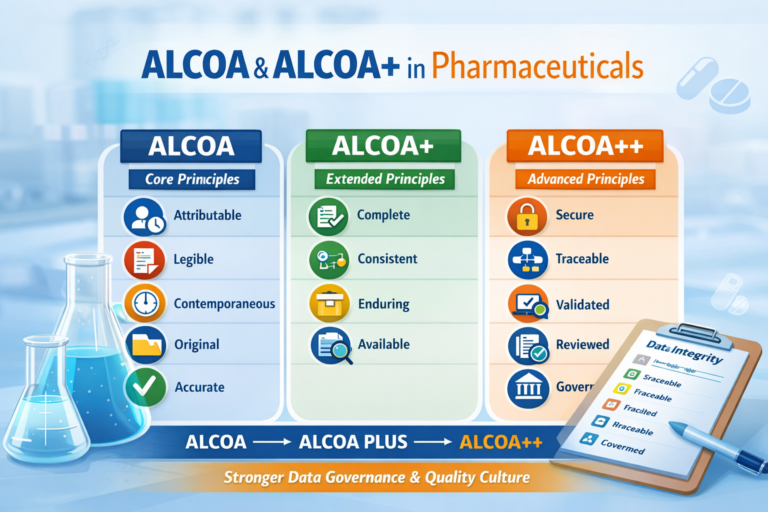
Documentation forms the backbone of finished product sampling. Every sampling activity must follow a written procedure approved by the quality unit. This procedure defines responsibilities, methods, and acceptance criteria. During sampling, personnel must record details such as batch number, date, time, sampling location, quantity collected, and the name of the person performing the activity. These records provide evidence of compliance and allow traceability during audits or investigations.
Sample Quantity Determination
Another important aspect of finished product sampling involves sample quantity. You must collect enough material to perform all required tests, including any repeat or additional testing if needed. At the same time, you should avoid excessive sampling that could lead to unnecessary product loss. Striking the right balance requires careful planning and experience.
Retention Samples and Their Importance
Retention samples represent a critical component of finished product sampling. These samples serve as a reference for future investigations, such as market complaints or stability studies. You must store retention samples under conditions that mimic the marketed product’s storage requirements. This practice allows you to evaluate the product’s quality throughout its shelf life and address any issues that arise after distribution.
Regulatory Expectations
Regulatory authorities expect pharmaceutical companies to justify their sampling plans scientifically. Guidelines from global regulatory bodies emphasize that sampling must ensure batch uniformity and reliability of results. Inspectors often review sampling procedures, records, and training to confirm compliance. Any deviation in sampling practices can lead to serious observations, as it directly impacts product quality assurance.
Human Factors in Sampling
Human factors also influence sampling quality. Training plays a vital role in ensuring that personnel understand the importance of proper techniques and adherence to procedures. Even a small mistake, such as using the wrong container or sampling from an incorrect location, can compromise the integrity of the sample. Regular training and qualification help maintain consistency and accuracy.
Risk Management in Sampling
Finished product sampling also connects closely with risk management. You must identify potential risks such as contamination, mix-ups, or degradation during sampling and implement controls to mitigate them. For example, using dedicated tools, maintaining proper environmental conditions, and following strict labeling practices reduce the likelihood of errors.
Modern Approaches to Sampling
In modern pharmaceutical manufacturing, companies increasingly adopt advanced approaches such as statistical sampling and process analytical technology. These methods aim to enhance the reliability of sampling and reduce variability. However, the fundamental principle remains unchanged: the sample must accurately represent the batch.
How to Handle Out-of-Specification (OOS) Results in QC Testing