In pharmaceutical microbiology, generating data is not enough. You need to understand what that data is telling you. Every cleanroom, water system, and production area carries its own microbial pattern. If you do not study and track these microorganisms, you miss early warning signs of contamination.
An environmental isolates library helps solve this problem. It transforms routine environmental monitoring results into meaningful, actionable knowledge. Instead of reacting only to failures, you start understanding your facility’s microbial behavior.
What is an Environmental Isolates Library?
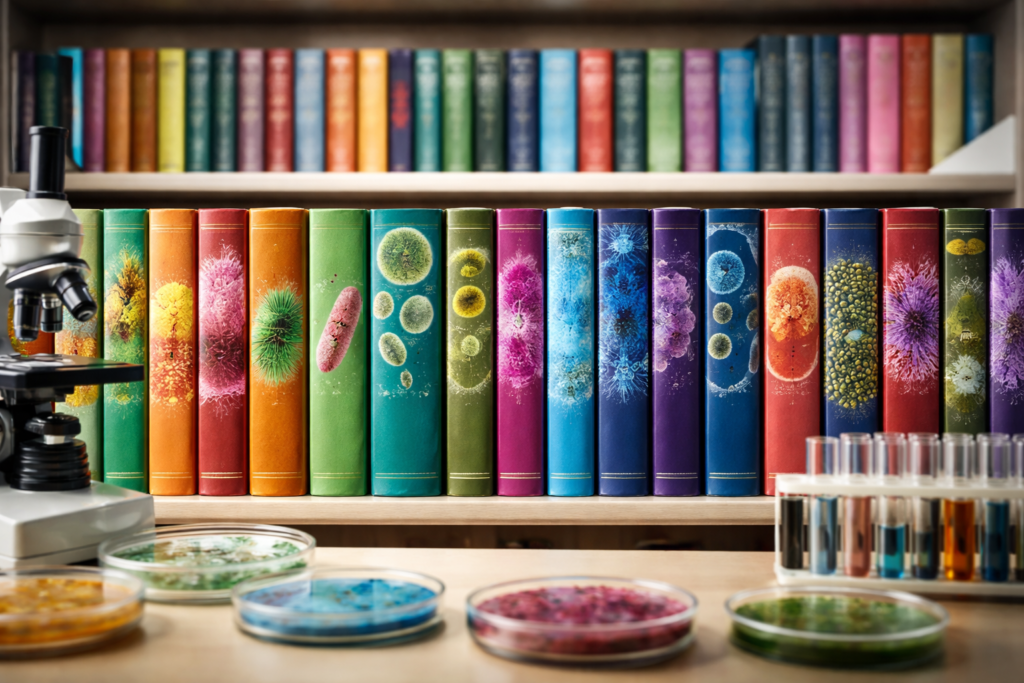
An environmental isolates library is a structured collection of microorganisms recovered from routine activities in a pharmaceutical facility. These include isolated microorganisms from in-process, raw materials, finished products, environmental monitoring, and utility systems.
Each isolate is identified, documented, and preserved for future reference. Over time, this creates a facility-specific microbial database that reflects the true microbial profile of your environment.
Why Is It Important?
Many laboratories still identify microorganisms only when results exceed limits. This approach may meet minimum expectations, but it does not provide real control.
When you consistently identify isolates, even when within acceptable limits, you start noticing which organisms appear frequently, where they appear, and how they behave over time. This forms the foundation of your facility’s microbial flora.
Once you understand this flora, trending becomes meaningful. Recurring organisms no longer go unnoticed, and unusual organisms stand out immediately. This makes investigations faster and more accurate.
The isolates library also strengthens your contamination control strategy. When you know which organisms dominate your environment, you can evaluate whether your cleaning and disinfection practices are truly effective. Identification of certain organisms may indicate gaps in your procedures.
Regulatory expectations also align with this approach. Authorities expect a thorough understanding of environmental microorganisms. A well-maintained isolates library demonstrates control, awareness, and a proactive quality system.
What Information Should Be Captured?
An effective isolates library does not rely on just storing organisms. It depends on meaningful data.
Every isolate should carry its story. You should know where it came from, when it was recovered, and under what conditions. Identification to at least genus level is mandatory. However, species-level identification adds real value.
Over time, this information allows you to see frequency patterns. You begin to recognize whether an organism is a one-time occurrence or a recurring presence. This distinction plays a key role during investigations.
Proper storage is also equally important.
When Should You Identify Isolates?
A common mistake that many companies make is limiting identification to out-of-specification results. This approach creates blind spots.
A better approach is to identify the microbes even when results fall within limits in higher grades. In less critical areas, periodic identification still adds value, especially when organisms recur or exhibit unusual characteristics.
This approach ensures that your isolates library reflects reality, not just deviations.
How to Build an Effective Isolates Library
Building an isolates library does not require complex systems, but it does require consistency.
It starts with a clear procedure. Your SOP should define when identification is required, how isolates should be handled, and how data should be recorded. Without this clarity, practices become inconsistent.
Next comes identification. Reliable methods are essential. Whether you use conventional biochemical tests or advanced techniques, accuracy should remain the priority. Species-level identification provides more detailed information and improves trend quality.
Preserve isolates in a way that maintains their integrity over time. Proper labeling, controlled storage conditions, and traceability are critical.
Finally, data management brings everything together. A digital database allows easy tracking, comparison, and analysis.
Where Can We Use Environmental Isolates?
Selected isolates can act as challenge organisms in growth promotion tests, method validation, and disinfectant efficacy studies.
Environmental isolates reflect real conditions, as they survive cleaning procedures and adapt to the environment. Using them makes your studies more realistic and meaningful.
In growth promotion testing, use these isolates as additional challenge organisms to show that the media supports facility-specific microbes. In method validation and recovery studies, they help confirm that your methods can detect stressed or adapted organisms. In disinfectant studies, they provide a true measure of how effective your cleaning agents are against real contaminants.
Selection should follow a risk-based approach, focusing on recurring organisms and isolates from critical areas. Isolate and identify each isolate properly, check for purity, and preserve using glycerol stocks to ensure consistency.
Where Most Labs Go Wrong
The biggest gap in many laboratories is not the lack of capability, but the lack of consistency.
Some labs identify organisms only during failures. Others fail to store isolates properly, which makes future comparison impossible. In many cases, we ignore recurring organisms simply because results remain within limits.
Another common issue is poor data utilization. Even when identification is performed, the information is not trended or reviewed effectively. This turns valuable data into unused records.
An environmental isolates library is not only a regulatory expectation but also a powerful tool for understanding your facility.
When you consistently identify and track microorganisms, you move from reactive control to proactive management. You detect risks earlier, investigate faster, and build a stronger contamination control strategy.
You may also be interested in reading the following:
Microorganisms of Concern vs Objectionable Microorganisms in Pharmaceuticals
Objectionable Microorganisms in Nonsterile Pharmaceuticals
Types of Rapid Microbiological Methods (RMMs) in the Pharmaceutical Industry