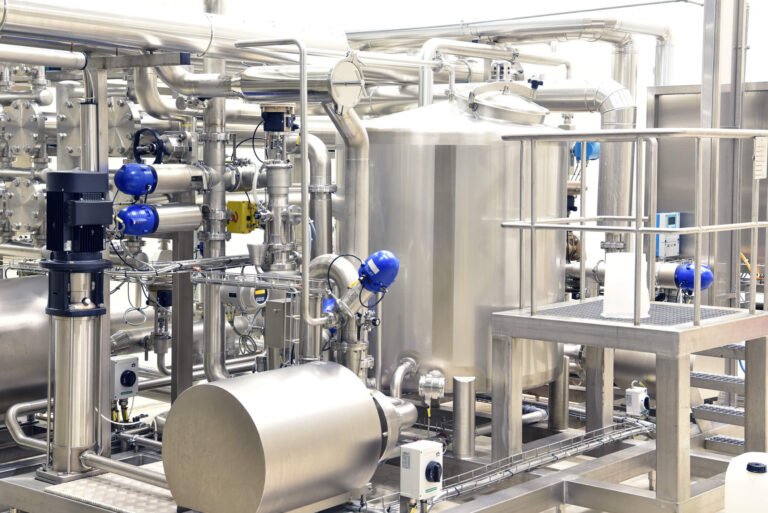
In pharmaceutical manufacturing, water is one of the most widely used components. It flows through almost every process, from equipment cleaning to formulation and even final product preparation. Because of this wide usage, even a small deviation in water quality can have a cascading impact on product quality.
USP <1231> provides detailed guidance on how pharmaceutical water systems should be designed, controlled, and maintained throughout their lifecycle. This chapter focuses on understanding the system as a whole. If you work in microbiology or quality, this chapter will change the way you look at water systems. Instead of reacting to failures, you will start identifying risks before they become problems.
What USP <1231> Covers
USP <1231> focuses on the lifecycle of a pharmaceutical water system.
It explains:
- How to design a system properly
- How to control microbial contamination
- How to monitor performance
- How to maintain the system over time
One important thing to understand is that USP <1231> supports other pharmacopeial chapters. When you see specifications for Purified Water or Water for Injection, those limits make sense only when you understand the system behind them. This is where USP <1231> becomes powerful.
Understanding the Types of Pharmaceutical Water
Different types of pharmaceutical water exist because different processes require different levels of purity. USP <1231> explains these differences not just in terms of specifications but also in terms of risk.
Purified Water is widely used in non-sterile manufacturing. Although it does not require sterility, it must still meet strict chemical and microbiological standards. The challenge here lies in maintaining quality during storage and distribution, as the system itself can introduce contamination even if the generation step is robust.
Water for Injection represents a higher level of control. It is used in sterile products, where even small amounts of endotoxins can cause serious patient harm. This makes system design and maintenance far more critical. Traditionally, distillation ensured high purity, but modern membrane-based systems require equally strong control strategies to achieve consistent quality.
Other types of water, such as clean steam, sterile water, and bacteriostatic water, serve specific purposes. While their applications differ, they all depend on the same fundamental principles of system control, material selection, and microbial management.
Why System Design is the Foundation of Control
A pharmaceutical water system is only as good as its design. USP <1231> repeatedly emphasizes that design decisions made during installation determine long-term performance.
A properly designed system ensures that water does not remain stagnant at any point. Continuous circulation keeps the system dynamic and reduces the chance of microbial growth. Pipework must avoid sharp corners and unnecessary branches, as these can create low-flow areas.
Dead legs are one of the most critical design flaws. These are sections of piping where water flow is minimal or absent. Over time, these areas become hotspots for microbial growth and biofilm formation. Even aggressive sanitization may not fully eliminate contamination from such zones.
Material selection also plays a major role. Stainless steel, particularly SS316L, is preferred because it resists corrosion and supports hygienic design. Surface finish is equally important, as rough surfaces encourage microbial attachment.
In real-world scenarios, many recurring issues trace back to design flaws that were overlooked during installation. Fixing these later often becomes expensive and operationally challenging.
The Hidden Threat: Biofilm Formation
Biofilm is one of the most complex challenges in pharmaceutical water systems. It forms when microorganisms attach to surfaces and begin producing a protective matrix. This matrix shields them from environmental stress, including sanitization processes.
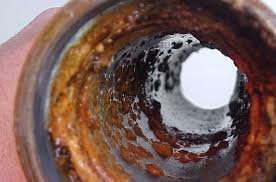
Once established, biofilms act as a continuous source of contamination. They release microorganisms into the flowing water, leading to intermittent or persistent microbial failures. These failures often appear unpredictable, making investigations difficult.
USP <1231> highlights that preventing biofilm formation is far more effective than trying to remove it. This requires a combination of proper design, continuous flow, temperature control, and regular sanitization.
In practice, whenever you observe recurring contamination with similar organisms, it is worth investigating the possibility of biofilm. Simply increasing sanitization frequency may not solve the problem if the root cause lies in system design or flow dynamics.
Microbial Control is a Continuous Process
Microbial control in water systems is not a one-time activity. It is an ongoing process that depends on maintaining conditions unfavorable for microbial growth.
Thermal control systems use higher temperatures to inhibit microbial survival. These systems are generally more reliable because they do not rely on chemical dosing. However, they require proper insulation and careful monitoring of temperature distribution.
Chemical control systems use agents such as ozone or chlorine to control microbial growth. These systems offer flexibility but demand precise control. Overdosing can damage equipment, while underdosing may fail to control contamination.
The key idea is that control should be proactive. Waiting for test failures before taking action indicates a reactive approach, which often leads to repeated issues.
Importance of Continuous Circulation
Continuous circulation is one of the simplest yet most effective strategies for maintaining water quality. When water flows continuously, it reduces stagnation and maintains uniform conditions throughout the system.
Flow also helps in maintaining temperature, especially in hot water systems. Consistent temperature discourages microbial growth and prevents the formation of localized contamination zones.
In systems where water is used intermittently, sections of piping may experience reduced flow. These areas require special attention, as they can behave like dead legs even if they are not part of the original design.
Monitoring and Trending
Monitoring provides data, but trending provides insight. USP <1231> encourages regular testing, but it also emphasizes understanding the data over time.
Microbial counts, conductivity, and total organic carbon are commonly measured parameters. While individual results indicate compliance at a specific moment, trends reveal patterns. A gradual increase in microbial count, even within limits, may indicate an emerging issue.
Trending also helps identify seasonal variations, changes in source water quality, or the impact of maintenance activities. Without proper trending, these patterns remain unnoticed until they result in failures.
A strong trending program transforms monitoring from a routine activity into a predictive tool.
Sampling
Sampling is often underestimated, but it plays a crucial role in water system evaluation. Poor sampling techniques can lead to misleading results, either by introducing contamination or by failing to capture existing issues.
Proper sampling requires trained personnel, clean equipment, and standardized procedures. Sampling points must represent different parts of the system, including storage, return loops, and points of use.
Consistency is key. Variations in sampling methods can create artificial trends that do not reflect actual system performance. This complicates investigations and weakens decision-making.
Distribution System
Even if water generation meets all specifications, poor distribution can introduce contamination before the point of use.
Storage tanks, pipelines, and valves all contribute to system complexity. Improperly designed tanks can allow microbial growth, especially if vent filters are not maintained properly.
Pipelines must support continuous flow and avoid stagnation. Points of use should be designed for easy cleaning and minimal contamination risk.
Many real-world issues arise because distribution systems receive less attention compared to generation systems.
Common Audit Observations Related to USP <1231>
Audits frequently highlight gaps in understanding rather than lack of effort. Companies may have systems in place but fail to apply them effectively.
Recurring microbial failures often indicate deeper issues such as biofilm or poor system design. In some cases, companies lack a microbial flora database, making it difficult to identify patterns or recurring organisms.
Sampling inconsistencies, inadequate trend analysis, and poorly defined sanitization strategies also appear as common observations.
Implementation
Implementing USP <1231> begins with understanding your system in detail. You should be able to trace water flow from generation to every point of use without hesitation.
Once you understand the system, identify potential risk areas. These may include low-flow zones, temperature variations, or poorly maintained components.
Focus on building a preventive strategy. Regular monitoring, consistent sampling, and effective sanitization should work together to maintain control.
Documentation also plays a key role. Clear records of trends, maintenance, and investigations strengthen your overall quality system.