


In pharmaceutical manufacturing, product release traditionally depends on finished product testing, especially sterility testing. However, for certain sterile products, regulators allow an alternative approach known as parametric release. This system focuses on process control and validation rather than end-product testing, provided strict conditions are met.
Parametric release plays a crucial role in improving efficiency, reducing delays, and strengthening sterility assurance when applied correctly.
What Is Parametric Release?
Parametric release is a system that allows the release of terminally sterilized pharmaceutical products without performing routine sterility testing on the finished product.
Instead of relying on a sterility test result, the decision to release a batch is based on documented evidence that all critical process parameters remained within validated limits throughout manufacturing and sterilization.
The European Organization for Quality defines parametric release as a release system that provides assurance of product quality based on manufacturing process data and compliance with specific GMP requirements related to sterility assurance.
In simple terms, parametric release says:
If the process is proven, controlled, monitored, and executed exactly as validated, the product can be considered sterile.
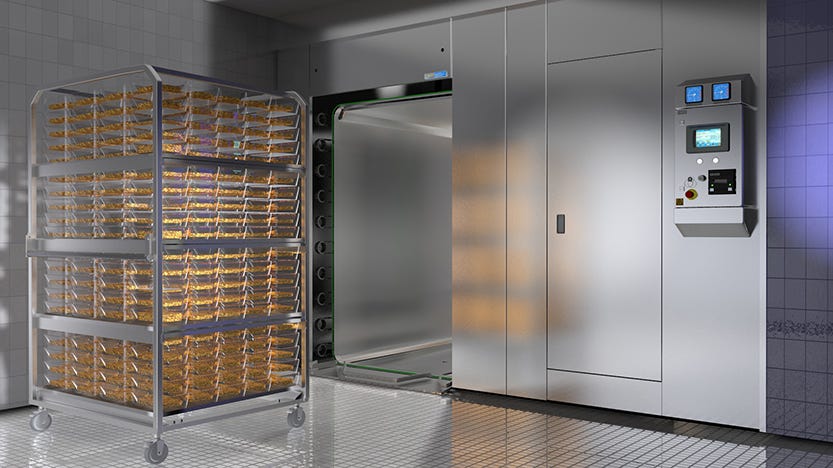
Why Parametric Release Is Allowed Only for Certain Products
Regulators permit parametric release only for products that undergo terminal sterilization. Terminal sterilization provides a high and measurable level of sterility assurance, unlike aseptic processing, which relies heavily on operator and environmental control.
A key regulatory expectation is that the manufacturer must demonstrate that the sterilizing agent effectively penetrates all critical parts of the product, including the most difficult-to-reach locations. Without this assurance, parametric release is not acceptable.
Core Assumption Behind Parametric Release
Parametric release assumes that the company has implemented a robust sterility assurance system. This system does not depend on a single control but on multiple, interlinked elements working together consistently.
Any weakness in this system can compromise sterility and invalidate the justification for parametric release.
Key Elements of a Robust Sterility Assurance System
1. Sound Product and Process Design
Good product design supports effective sterilization. Materials, container systems, and product configuration must allow the sterilizing agent to reach all relevant areas without obstruction.
2. Control of Microbiological Quality of Inputs
Manufacturers must understand and control the microbiological quality of:
Raw materials
Starting materials
Process aids such as gases, water, and lubricants
This knowledge helps prevent unexpected bioburden challenges during sterilization.
3. Control of Manufacturing Contamination
Manufacturers must prevent microbial ingress and growth during manufacturing. They achieve this through:
Effective cleaning and sanitation of product contact surfaces
Controlled manufacturing environments such as cleanrooms or isolators
Prevention of airborne contamination
Defined process time limits to avoid microbial proliferation
Filtration steps where applicable
These controls reduce bioburden before sterilization and support consistent sterilization outcomes.
4. Prevention of Mix-Ups
Systems must clearly distinguish between sterile and non-sterile product streams. Clear labeling, physical segregation, and procedural controls help prevent mix-ups that could lead to critical quality failures.
5. Maintenance of Product Integrity
The product and its container closure system must maintain integrity throughout sterilization, handling, and storage. Any breach can compromise sterility, regardless of how effective the sterilization process is.
6. A Validated and Consistent Sterilization Process
The sterilization process must be:
Fully validated
Reproducible
Continuously monitored
Critical parameters such as temperature, pressure, time, and load configuration must remain within approved limits for every batch released parametrically.
7. A Strong Pharmaceutical Quality System
Parametric release cannot exist in isolation. It must operate within a comprehensive quality system that includes:
Change control
Training programs
Written and approved procedures
Batch release checks
Preventive maintenance
Failure mode and risk analysis
Human error prevention strategies
Equipment qualification and calibration
Auditors often evaluate the entire quality system, not just sterilization data, when assessing parametric release.
Regulatory Perspective
Regulatory agencies expect companies using parametric release to demonstrate process understanding, control, and consistency. Any unexplained deviation, parameter excursion, or weak investigation can immediately challenge the validity of parametric release.
During inspections, regulators often ask:
How do you justify parametric release for this product?
How do you ensure sterilant penetration?
What happens when a critical parameter deviates?
How do you trend sterilization data over time?
Clear answers supported by data are essential.
Benefits of Parametric Release
When implemented correctly, parametric release offers several advantages:
Faster batch release
Reduced reliance on sterility testing
Stronger focus on process control
Lower risk of false sterility test failures
Improved operational efficiency
However, these benefits come with higher expectations for discipline and compliance.
Sterility Testing After Parametric Release
From a regulatory standpoint, sterility testing after parametric release is not mandatory. However, many pharmaceutical manufacturers continue to perform sterility testing voluntarily after product release. In such cases, the sterility test does not serve as a release criterion. Instead, companies use it as a process monitoring and trending tool to confirm ongoing sterilization effectiveness and to support continued process verification.
It is important to note that sterility testing may become mandatory if it is specifically required in the product’s marketing authorization, committed in regulatory filings, defined in internal procedures, or imposed as a post-approval regulatory condition.